
Gold Vermeil vs Gold Plating: Which Gold Finish Is Better for Your Jewelry Brand?
Gold Vermeil vs Gold Plating: Which Gold Finish Is Better for Your Jewelry Brand?
Why Gold Finish Selection Matters for Your Jewelry Brand
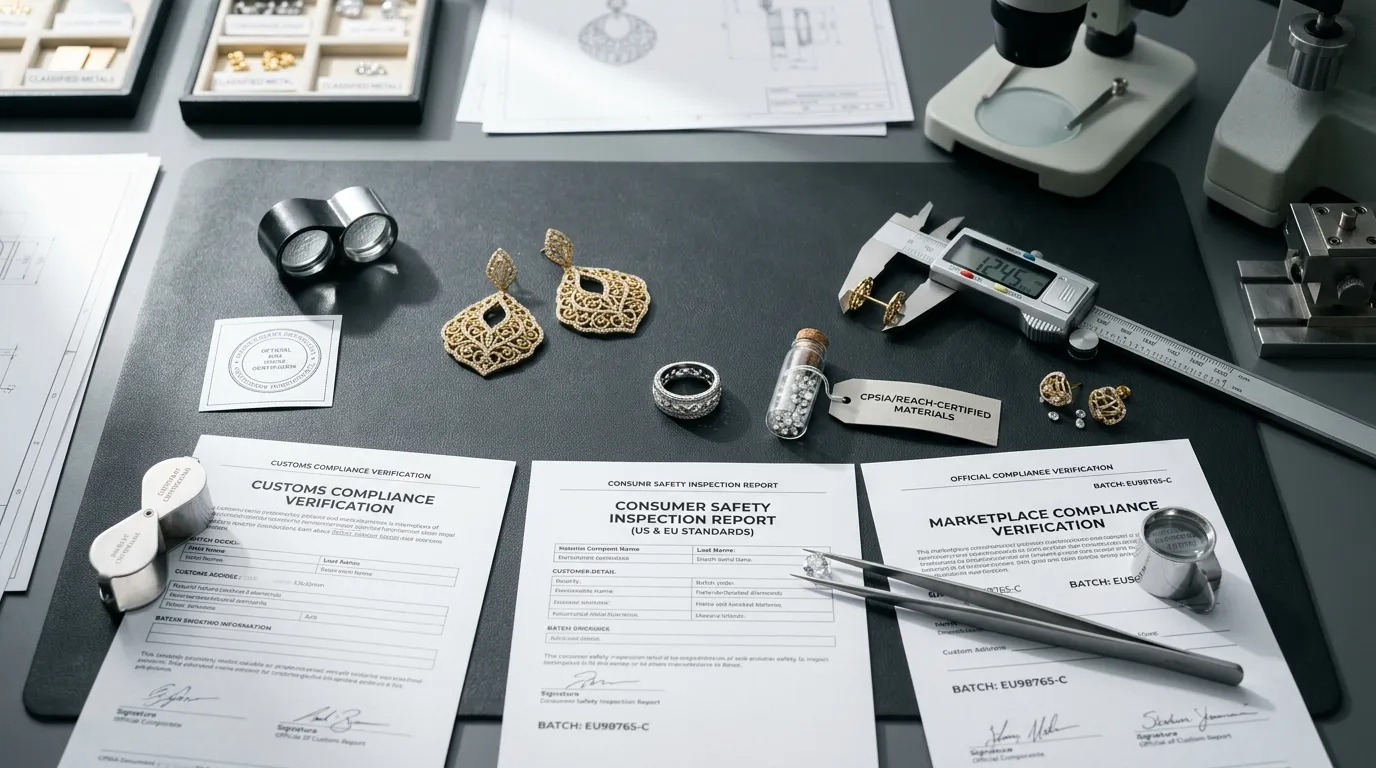
When you develop a jewelry collection, choosing the right gold finish is not only about appearance.
The finish you select directly affects:
-
Product durability
-
Customer satisfaction
-
Retail positioning
-
Production cost
-
Brand reputation
Many buyers focus only on the color of gold plating, but experienced jewelry brands understand that the real difference comes from:
-
Gold thickness
-
Base metal quality
-
Surface preparation
-
Manufacturing process
-
Quality control standards
If your customers expect premium jewelry but receive a product with poor durability, the issue is not only the material — it becomes a brand trust problem.
At SSJEW, we help jewelry brands choose the right finishing solution based on their target market, product positioning, and budget requirements.
What Is Gold Vermeil Jewelry?
Understanding the Gold Vermeil Standard
Gold vermeil is a premium gold finish where a thicker layer of gold is applied over sterling silver (925 silver).
Unlike standard gold plating, gold vermeil requires:
-
A sterling silver base metal
-
A thicker gold layer
-
Higher-quality finishing standards
For jewelry brands, gold vermeil is often positioned between traditional gold plating and solid gold jewelry.
It provides a premium appearance while maintaining a more accessible production cost.
Why Brands Choose Gold Vermeil
Gold vermeil is commonly selected by brands that want:
Premium Product Positioning
Because the base metal is 925 silver, gold vermeil gives customers a stronger perception of value compared with brass-based plated jewelry.
Better Customer Experience
The silver foundation provides:
-
Better material quality
-
More premium product feel
-
Higher perceived value
Sustainable Brand Development
Many modern jewelry brands choose vermeil because it allows them to create premium collections without the cost of solid gold.
Considerations Before Choosing Gold Vermeil
Gold vermeil also requires careful production control.
Important factors include:
-
Gold thickness
-
Surface polishing quality
-
Silver purity
-
Plating consistency
A thicker gold layer does not automatically guarantee better quality.
The preparation before plating is equally important.
What Is Gold Plated Jewelry?
Understanding Gold Plating
Gold plated jewelry refers to jewelry where a thin layer of gold is applied over another base metal.
Common base metals include:
-
Brass
-
Stainless steel
-
Copper alloys
Gold plating is widely used in fashion jewelry because it offers:
-
Lower production costs
-
Flexible designs
-
Faster market launch
For brands targeting affordable jewelry collections, gold plating can be an effective solution.
Why Brands Choose Gold Plating
Gold plating is suitable when you need:
Faster Product Development
Because production costs are lower, brands can test more designs and launch collections faster.
Competitive Pricing
Gold plated jewelry allows businesses to offer attractive retail prices while maintaining a gold appearance.
Trend-Based Collections
For seasonal collections or fast-changing designs, gold plating provides more flexibility.
Gold Vermeil vs Gold Plating: Key Differences
Factor
Gold Vermeil
Gold Plating
Base Metal
925 Sterling Silver
Brass, Copper, Stainless Steel
Gold Layer
Thicker gold coating
Usually thinner coating
Product Position
Premium / Mid-high range
Fashion / Affordable
Durability
Higher
Depends on thickness and usage
Cost
Higher
Lower
Customer Expectation
Premium jewelry buyers
Trend-focused buyers
Brand Positioning
Luxury accessible
Mass market
Gold Thickness: Why Microns Matter in Jewelry Manufacturing
Understanding Gold Plating Thickness
One of the most misunderstood factors in jewelry production is gold thickness.
Gold thickness is usually measured in microns.
A thicker gold layer generally provides better durability, but the final performance also depends on:
-
Wearing habits
-
Surface preparation
-
Base metal
-
Production quality
Common industry ranges include:
-
Flash plating: approximately 0.05–0.1 micron
-
Standard plating: approximately 0.2–0.5 micron
-
Premium plating: approximately 1 micron or above
-
Vermeil: usually requires a significantly thicker gold layer over sterling silver
"At SSJEW, we offer different gold plating thickness options based on product positioning, including 🔴3.5 micron, and custom finishing solutions."
Which Gold Finish Should You Choose for Your Jewelry Collection?
Choose Gold Vermeil If You Are Building a Premium Jewelry Brand
Gold vermeil may be the better choice if:
You want to position your brand as premium.
You focus on:
-
Higher customer lifetime value
-
Boutique collections
-
Fine jewelry appearance
-
Premium packaging experience
Typical users:
-
Independent jewelry brands
-
Boutique retailers
-
Premium e-commerce brands
Choose Gold Plating If You Need Flexible Market Testing
Gold plating may be better if:
You are launching new collections.
You need:
-
Lower production costs
-
More design testing
-
Competitive retail pricing
Typical users:
-
Fashion jewelry brands
-
Trend-based sellers
-
New jewelry startups
How SSJEW Helps Brands Choose the Right Gold Finish
Choosing the right finish is not only a material decision.
It requires understanding:
-
Your target customers
-
Retail price positioning
-
Expected product lifespan
-
Manufacturing requirements
At SSJEW, we support brands from material selection to final production.
With 13 years of jewelry manufacturing experience, we specialize in:
-
925 silver jewelry manufacturing
-
Custom jewelry production
-
Gold vermeil finishing
-
Gold plated jewelry
-
Private label jewelry solutions
Our 1,850㎡ manufacturing facility and 160,000+ monthly production capacity allow us to support both growing brands and established buyers.
For complex jewelry designs, including:
-
Cuban chains
-
Customized link structures
-
Detailed polishing
-
Multi-finish jewelry
our manufacturing experience helps ensure better consistency between approved samples and bulk production.
Common Mistakes Brands Make When Choosing Gold Finishes
Choosing Only Based on Price
The cheapest finishing option is not always the most profitable.
Low-quality finishing may lead to:
-
Customer complaints
-
Returns
-
Negative reviews
-
Brand reputation damage
Ignoring Customer Expectations
A premium customer expects different product quality compared with a trend-focused buyer.
The correct finish depends on:
-
Your market positioning
-
Retail price
-
Brand identity
Not Testing Samples Before Mass Production
Before placing bulk orders, always test:
-
Color consistency
-
Surface quality
-
Wear performance
-
Customer feedback
At SSJEW, we recommend approving samples before moving into larger production.
Gold Vermeil vs Gold Plating FAQ
Is gold vermeil better than gold plating?
Gold vermeil is generally considered a more premium option because it uses sterling silver as the base metal and usually has a thicker gold layer.
However, the best choice depends on your product positioning and customer expectations.
Which lasts longer, gold vermeil or gold plating?
Gold vermeil generally offers better durability because of the silver base and thicker gold layer.
However, actual lifespan depends on:
-
Gold thickness
-
Manufacturing quality
-
Wearing conditions
Is gold vermeil more expensive than gold plating?
Yes.
Gold vermeil usually costs more because:
-
925 silver has higher material value
-
More gold is used
-
Production requirements are higher
Which finish is better for a jewelry startup?
For startups testing the market, gold plating may provide more flexibility.
For brands building premium positioning, gold vermeil can create stronger customer perception.